
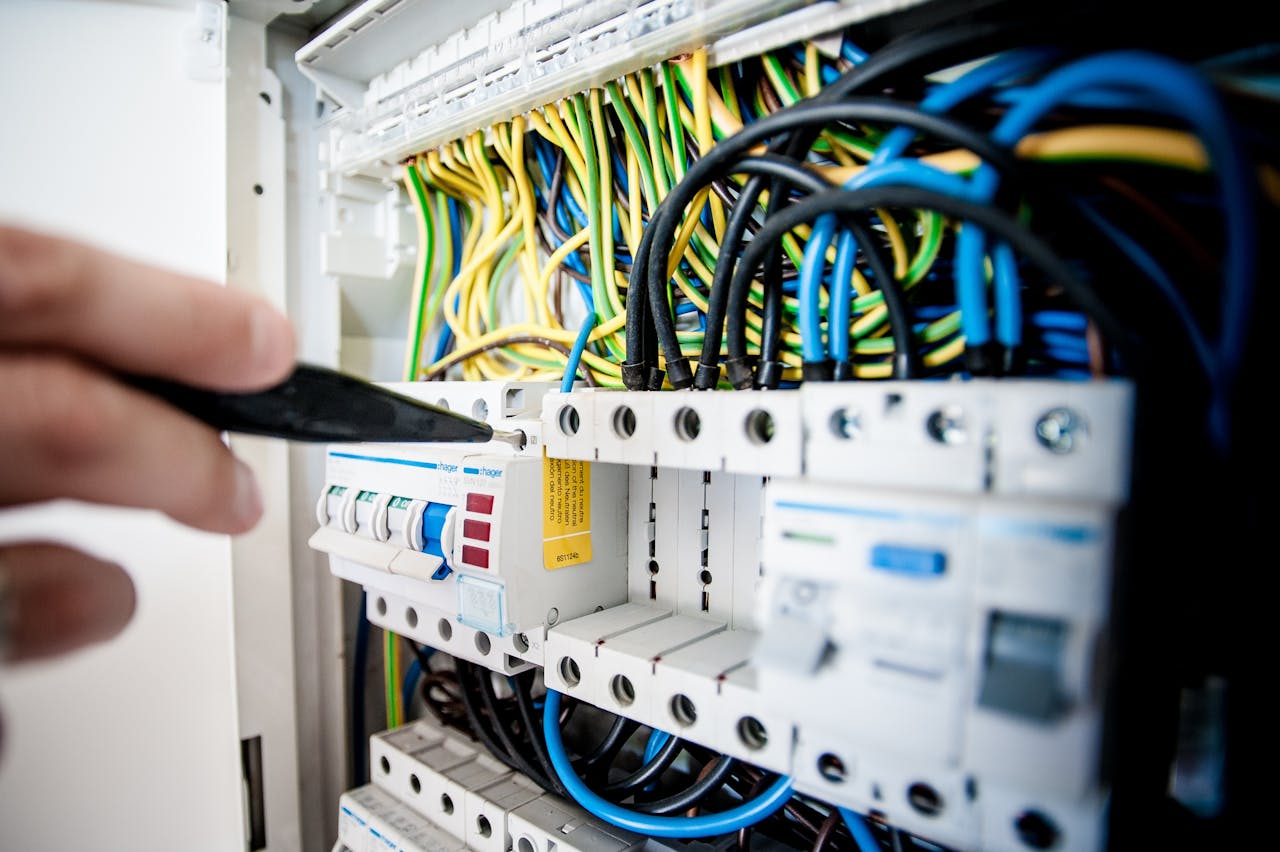
Ever wondered which type of electricity supply most homes use, or what massive factories require to keep running? In Australia, the two important types of electrical phases decide how efficiently and effectively our homes and businesses run. Understanding the difference between single-phase and three-phase power isn’t just for qualified electricians; it is key to making informed decisions about appliances, electrical systems, and your energy efficiency.
What’s a “Phase” Anyway?
At its core, “phase” describes how electricity is delivered to your property from the national grid. Think of it like this:
Single-Phase Power (230V)
Single-phase power is the standard electricity supply for most Australian homes. It operates at 230 volts and delivers alternating current that cycles 50 times per second, producing a single sine wave.
A single-phase supply uses two conductors: an active wire that delivers current and a neutral wire that provides the return path. This straightforward configuration makes single-phase power reliable and efficient for typical household loads.
Single-phase power is well suited to lighting, power points, heating appliances, and smaller motors. While it has limited capacity compared to three-phase systems, it comfortably meets the demands of most residential properties and low-power equipment.
Key points about single-phase systems:
- Common in residential homes and small solar or EV systems
- Typically supports standard household appliances such as fridges, kettles, TVs, and single-phase chargers
- Uses one neutral wire and one active wire
- Single-phase electricity is easily measured via an electricity meter
Three-Phase Power (400V/415V)
Three-phase power uses three active conductors, each carrying alternating current that is offset by 120 degrees, along with a neutral conductor. This arrangement provides a more constant and balanced flow of electrical energy compared to a single-phase supply.
Because the power delivery is smoother and more consistent, three-phase systems can support higher electrical loads and operate large motors more efficiently. This reduces vibration, improves performance, and allows equipment to run at higher capacities.
Three-phase power is commonly used in industrial environments, commercial buildings, and installations with high energy demand, such as large air conditioning systems, lifts, machinery, and heavy-duty equipment.
- Often required for industrial machinery, powerful appliances, and large solar systems.
- More efficient and reliable for heavy-duty loads
- Uses three active wires plus one neutral wire and an earth wire
- Can be supplied to residential homes with high-demand appliances or multiple EV chargers
The Past Of Electricity In Australia
Australia’s electricity supply evolved slowly at first, with each town experimenting with early power systems.
- 1888 – Tamworth Lights Up: The first city in the Southern Hemisphere to have electric street lighting. Early systems were mostly direct current or basic single-phase alternating current.
- 1899 – Young Embraces Three-Phase: The first Australian town to implement a three-phase alternating current system for public supply, enabling more efficient power distribution.
- Early 20th Century (1900–1920): As statewide grids began to form (such as the SEC in Victoria), and authorities developed coordinated power networks, three-phase alternating current became the preferred standard for electricity transmission due to its efficiency over long distances. Residential connections remained single-phase, as household electricity use was limited to basic lighting and small appliances.
- Post-WWII: Three-phase power continued as the standard for generation and transmission across Australia. Single-phase supply remained sufficient for most homes, which generally had low and predictable electricity demand despite the gradual increase in household appliances.
- Today: We are seeing a “residential renaissance” for three-phase power. As we move toward electric vehicles and high-capacity solar, many homeowners are paying to upgrade their old single-phase connections to three-phase.
The Modern Landscape: Which One Do You Have?
Single-Phase Supply
- Standard in most older Australian homes
- Handles typical household lighting, small motors, and appliances
- Adequate for split-phase EV chargers and residential solar under 5kW
Three-Phase Connection
- Essential for commercial and industrial premises, modern large homes, and high-demand electrical equipment
- Provides continuous energy with three waves of alternating current
- Reduces energy loss and supports more efficient operation of electric motors and large heat pump systems
When Do You Need Three-Phase Power?
You absolutely need three-phase power if you have:
- Large electric motors in industrial settings
- Powerful appliances or high-draw home systems, such as ducted AC or sauna heaters
- Fast EV chargers and large solar systems
- Commercial equipment like ovens, refrigeration, and server racks
You Likely Don’t Need a Three-Phase If You Have:
- Standard household appliances
- Small homes or apartments
- Basic solar systems up to 5–8kW
- Low-power workshops or home offices
Energy Efficiency: Is Three-Phase Greener?
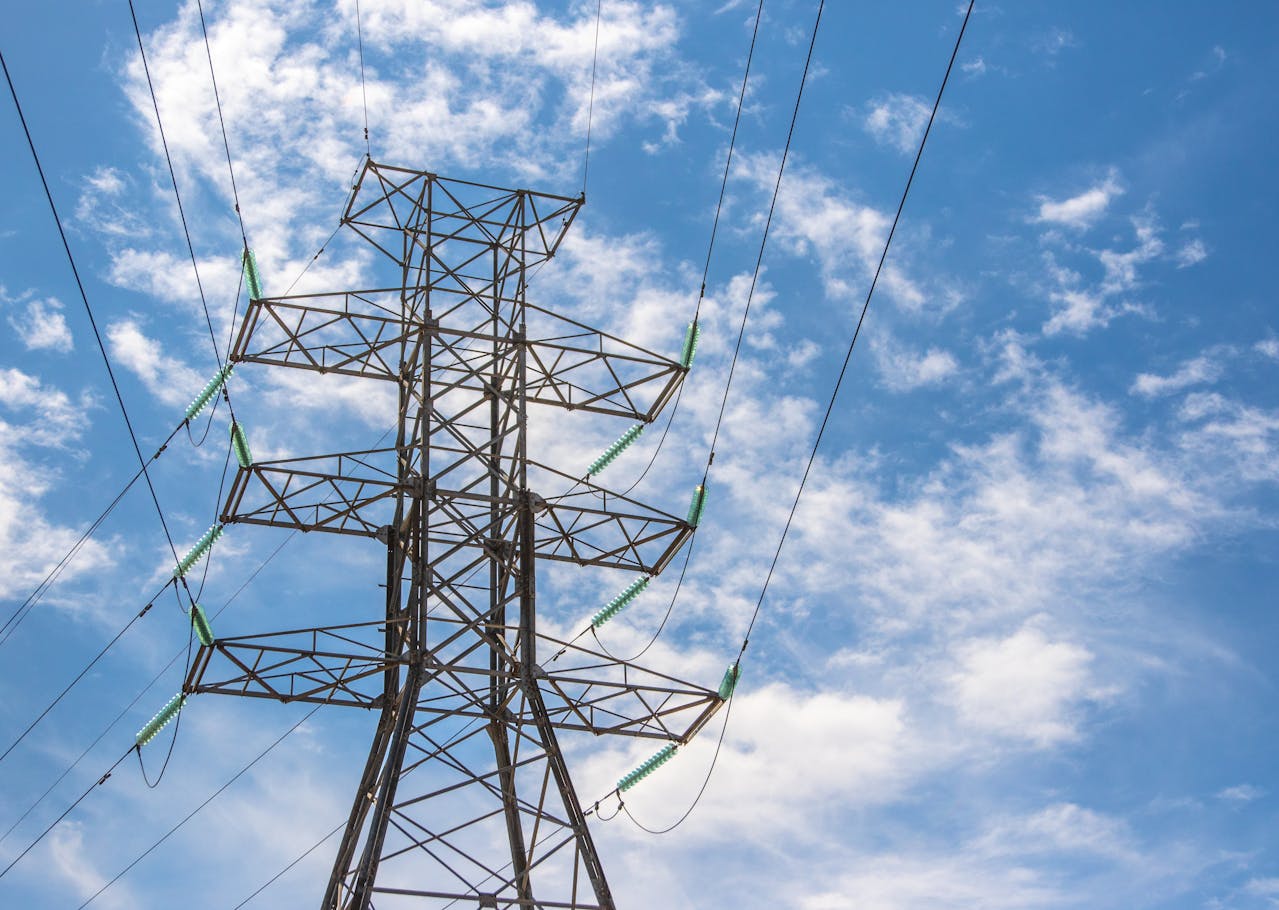
Three-phase systems can be more efficient than single-phase systems for high-load applications:
- For Motors: Smoother starts, constant torque, less energy loss
- For Transmission: Minimises electricity loss from the grid to your home or business
- For Appliances: No major efficiency gain for standard single-phase devices
- Overall Home Efficiency: Supports all-electric homes, large solar arrays, and multiple EV chargers without overloading the supply
Upgrading Your Power Supply: Costs and Considerations
Upgrading from single-phase to three-phase involves major electrical work:
- Assessment: A qualified electrician evaluates your existing circuits and future load requirements
- Application: Approval from your electricity distributor is required
- New Cabling: Replacing two wires with a four-core three-phase connection
- Meter and Switchboard Upgrade: Includes a new electricity meter and phase power connection breakers
- Internal Wiring: Dedicated three-phase circuits for high-demand appliances
Costs vary:
- Residential retrofit: $5,000–$20,000+, depending on trenching, wiring, and switchboard complexity
- Commercial/industrial: Tens of thousands, depending on load and distance from the grid
- New builds: Integrated into construction costs, usually cheaper than retrofitting

The Future is Electric: Why Three-Phase Matters More Than Ever
Australia’s electrification is accelerating with the adoption of electric vehicles, solar power, and heat pumps. Three-phase systems are increasingly important for:
- Efficient energy use in homes and industry
- Supporting high-demand appliances and electric motors
- Enabling a sustainable, reliable, and powerful electricity supply
Understanding the difference between single-phase and three-phase power ensures your property is optimally powered for today and tomorrow, whether it is lighting a home, running appliances, or energising industrial equipment.
Considering upgrading your home, or a new residential or commercial three-phase setup? Get in touch with the team at Carda Electrics today to chat about your options and get a quote if you are ready to move forward.